.svg)
Clearwater Intelligence was drowning in manual research. We replaced their entire monitoring process with an AI agent that scrapes, classifies, and routes intelligence around the clock — with no human input per cycle.
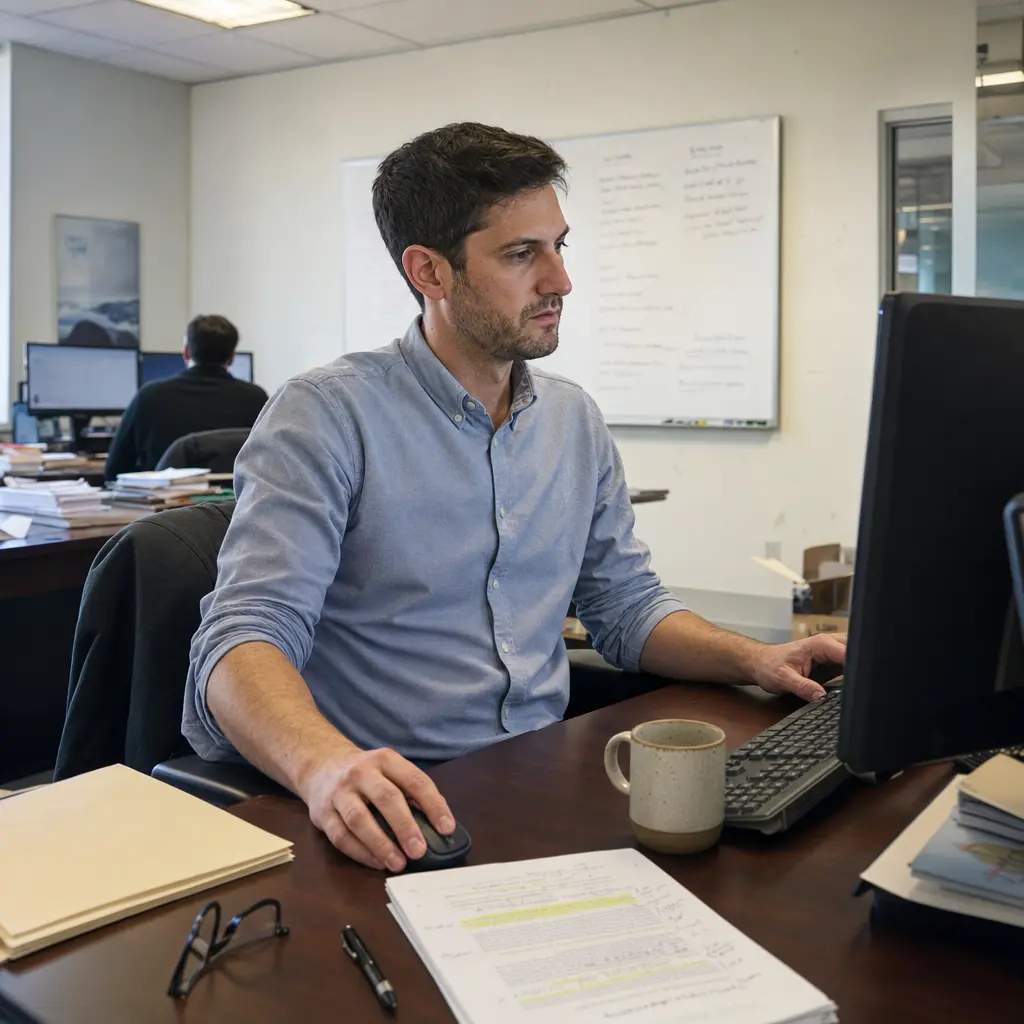
Clearwater Intelligence tracks competitor activity, compliance updates, and lead signals across dozens of sources. Their analysts were spending the majority of each week doing this manually — visiting websites, reading documents, pulling data, and classifying findings into internal systems. The process worked when the source count was manageable. It stopped working when the business grew.
They came to Soch with a clear hypothesis: most of what the analysts were doing was pattern-based, and pattern-based work belongs to a system. We agreed, but we started with a process audit before touching any tools. We needed to understand where the research logic actually lived before we could automate any of it.
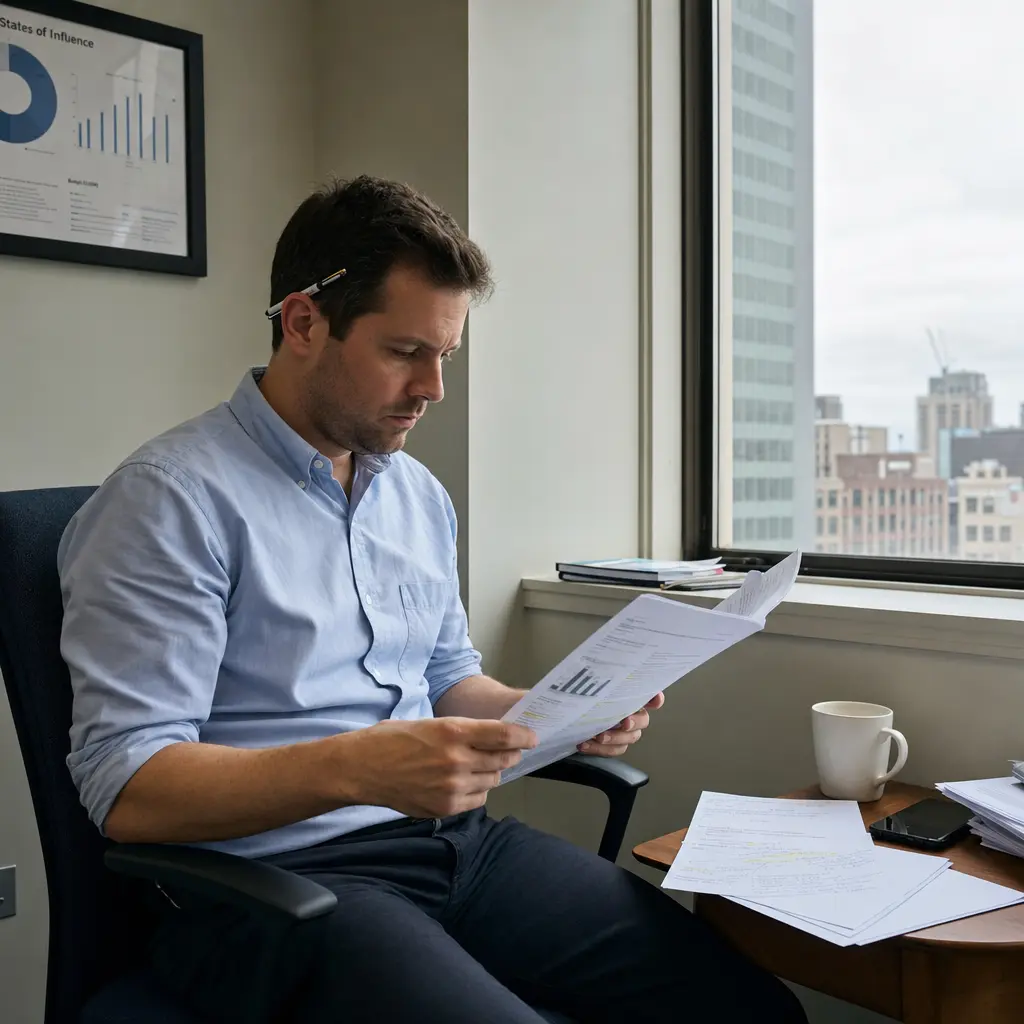
Analysts were spending 20+ hours a week on research that produced inconsistent outputs. Several key sources had no API, making standard automation unworkable. Classification depended on whoever had time that day, which meant the same information got labelled differently depending on the week. The CRM was always behind.
We used to brief analysts on what to look for and hope the output was consistent. Now the system does it and the structure is always the same. The team moved to higher-value work within the first month.
We shadowed two analysts for a week to document every source, every classification rule, and every edge case in the process. We identified which decisions required genuine judgment and which were rule-based enough to give to a machine. This became the architecture blueprint.
We built a scheduled n8n workflow using Puppeteer and Browser Use to scrape sources with no available API, including ERP and CRM platforms that required RPA-style navigation. An OpenAI-powered classification agent reads each result, applies the correct category, and routes it to the right table in Airtable. PDF documents are detected, extracted, and processed in a dedicated parallel branch.
We connected the classification output to an automated daily digest that compiles, deduplicates, and distributes findings each morning. Error logging runs in parallel and flags any failures without silently breaking the pipeline. Documentation covers every decision point in the system. It has run without intervention since launch.
Manual research hours eliminated. The system runs on a schedule with zero human input per cycle.
Reduction in information processing time. Multi-hour sessions now complete in minutes.
More sources monitored simultaneously than the previous manual process could cover.